Power & Charging
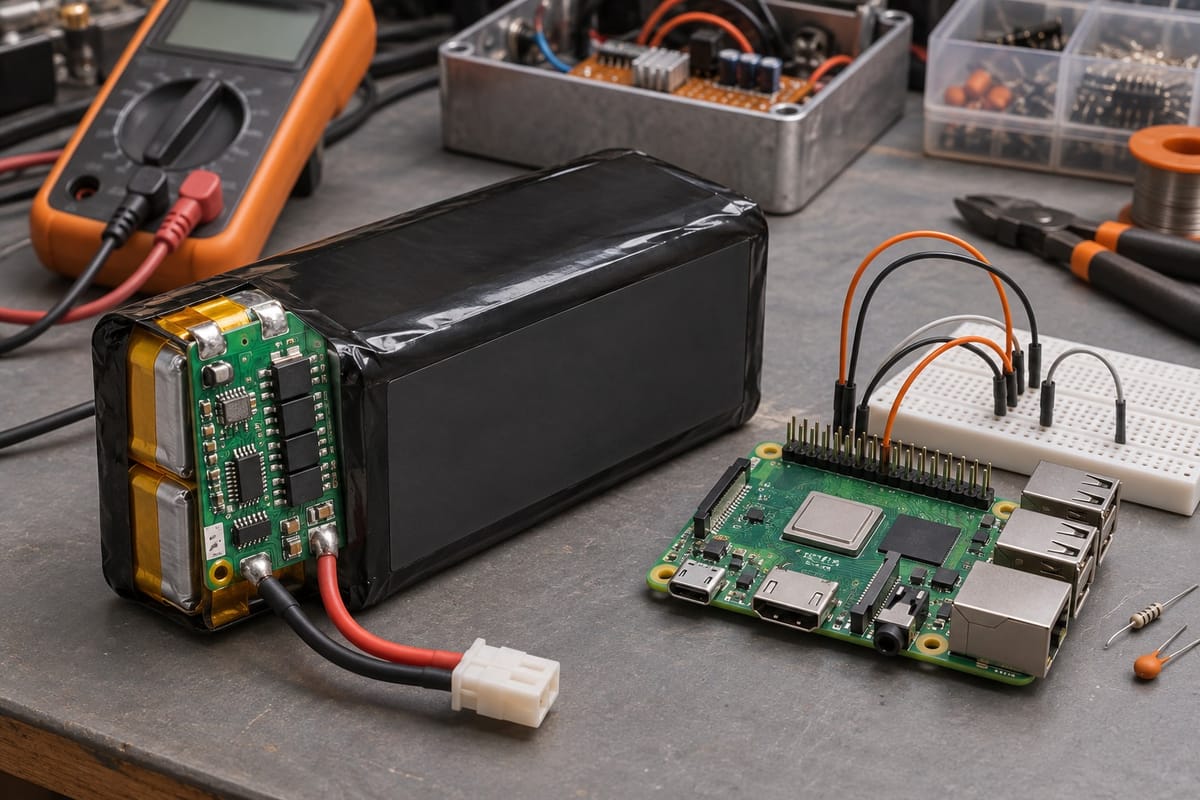
3000mAh Li-Ion Battery Pack
Rechargeable lithium-ion pack with integrated protection circuit. Delivers stable 7.4V output for Raspberry Pi robots, motor driver boards, and mobile electronics projects. Compact form factor, reliable charge cycles, and safe discharge management.
- Voltage 7.4V
- Capacity 3000mAh
- Chemistry Li-Ion
- Protection Built-in circuit
Why This Battery Works for Robotics
Technical Specifications
- Nominal Voltage
- 7.4V (2S configuration)
- Capacity
- 3000mAh
- Chemistry
- Lithium-Ion (Li-Ion)
- Protection
- Overcharge, over-discharge, short-circuit circuit
- Connector Type
- Standard barrel or JST (confirm with vendor)
- Charge Method
- CC/CV (constant current / constant voltage)
- Cycle Life
- Typical Li-Ion range (300–500 cycles)
- Operating Temperature
- Standard lithium-ion operating range
Where to Use This Pack
Power Wheeled and Tracked Robots
The 7.4V output matches the voltage range of most dual H-bridge motor drivers and DC gearmotor setups. Use this pack to drive two to four small motors while powering your Raspberry Pi or Arduino controller from a separate regulator or buck converter.
- Line-following robots with continuous runtime
- Obstacle-avoidance builds running ultrasonic sensors and servos
- Sumo bots and competition entries requiring portable power
Raspberry Pi Portable Builds
Pair this battery with a 5V step-down regulator to create a portable Raspberry Pi setup. The 3000mAh capacity provides several hours of runtime for headless projects, data loggers, or field monitoring systems.
- Camera-equipped Pi robots streaming video over Wi-Fi
- GPS trackers and environmental sensors deployed outdoors
- Wireless access points and edge compute nodes
Bench Testing and Development
Keep one charged on your workbench for quick component testing. The protection circuit means you can safely experiment with motor controllers, LED arrays, and sensor modules without risking a battery failure.
- Load testing motor drivers before final assembly
- Portable power for breadboard circuits at workshops or maker events
- Backup power during firmware flashing and debugging
Common Questions
Do I need a special charger for this battery?
Yes. Li-ion packs require a charger that matches the cell configuration (2S in this case) and follows the CC/CV charging profile. Our USB-C Smart Charger is compatible with standard 7.4V Li-ion packs. Always verify connector type and voltage before charging.
Can I power a Raspberry Pi 4 directly from this battery?
Not directly. The Pi 4 requires 5V via USB-C, while this pack outputs 7.4V. Use a buck converter or step-down regulator to drop the voltage to 5V at 3A. This setup is common in mobile Pi robot builds.
How long will this battery last in a typical robot?
Runtime depends on your robot's current draw. A Raspberry Pi 4 under moderate load draws roughly 600–800mA; two small DC motors at 50% duty cycle might add another 400–600mA. At 1.2A total draw, expect around 2.5 hours. Higher loads (video streaming, continuous motor movement) will reduce runtime.
Is the protection circuit enough, or do I need additional safety components?
The built-in circuit protects the battery itself from electrical faults. For complete system safety, add a fuse or polyfuse on the output and ensure your motor driver or regulator has its own overcurrent protection. This layered approach prevents downstream shorts from damaging upstream components.
Can I use multiple packs in parallel to increase capacity?
Parallel connection of Li-ion packs is possible but requires matching voltage and state of charge, plus a balancing circuit or BMS (battery management system) to prevent uneven discharge. For most hobbyist projects, it's simpler to use a single higher-capacity pack or swap batteries as needed.
Pair It With
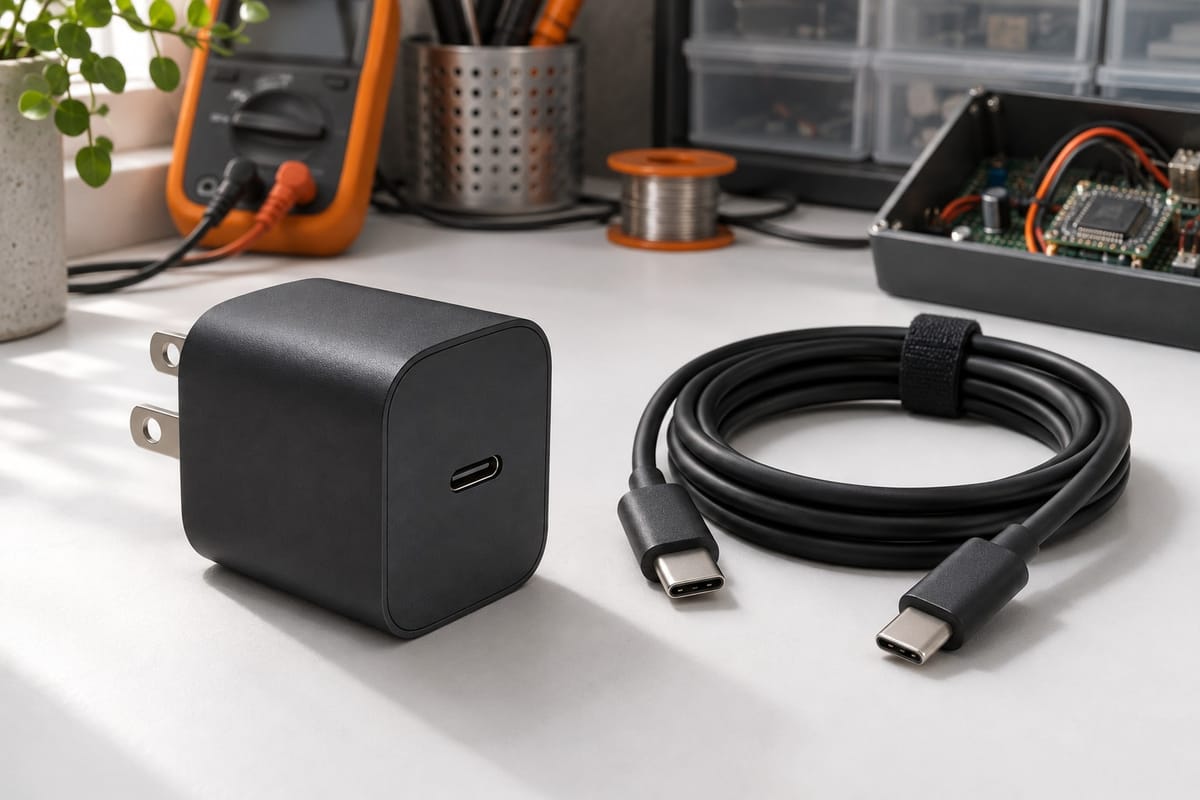
USB-C Smart Charger 3A
Fast, safe charging for Raspberry Pi 4 and rechargeable battery packs. Built-in voltage regulation and overcharge protection keep your projects powered without risk.
Read more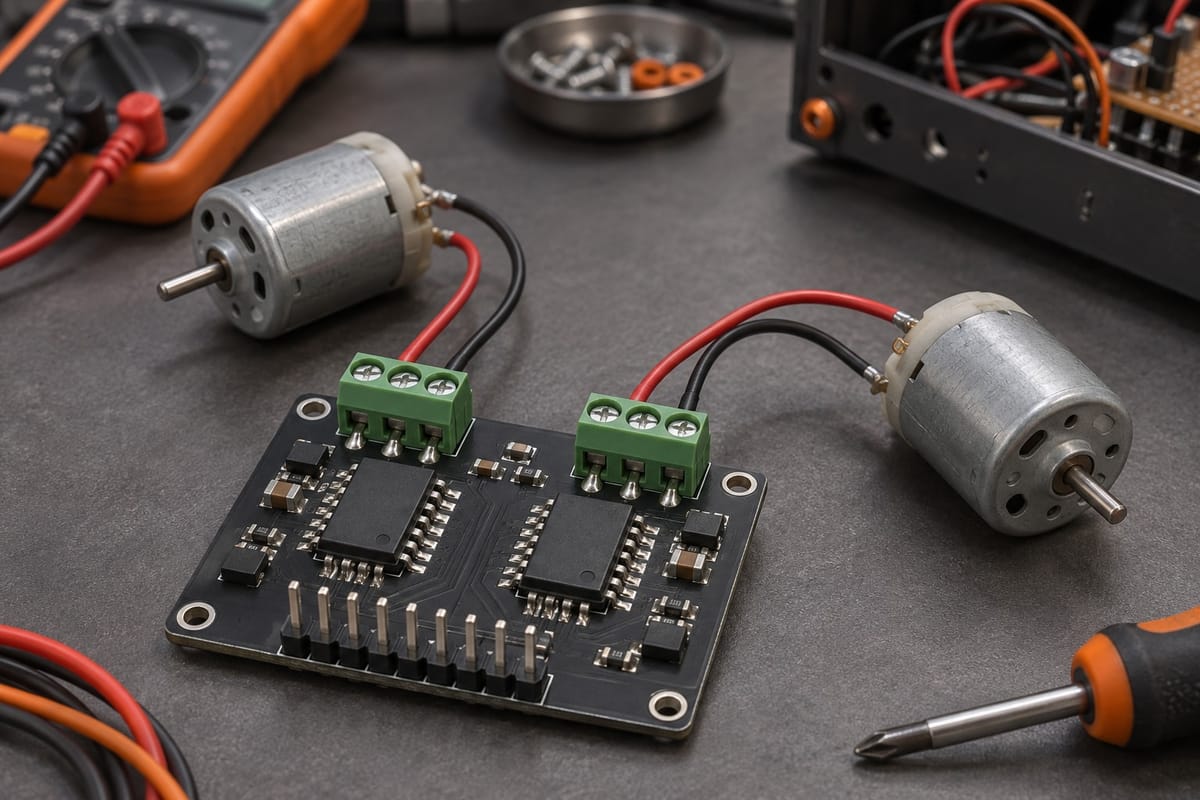
Dual H-Bridge Motor Driver
Drive two DC motors independently with PWM speed control up to 2A per channel. Works seamlessly with Raspberry Pi and Arduino projects, ideal for wheeled robots and automated mechanisms.
Read more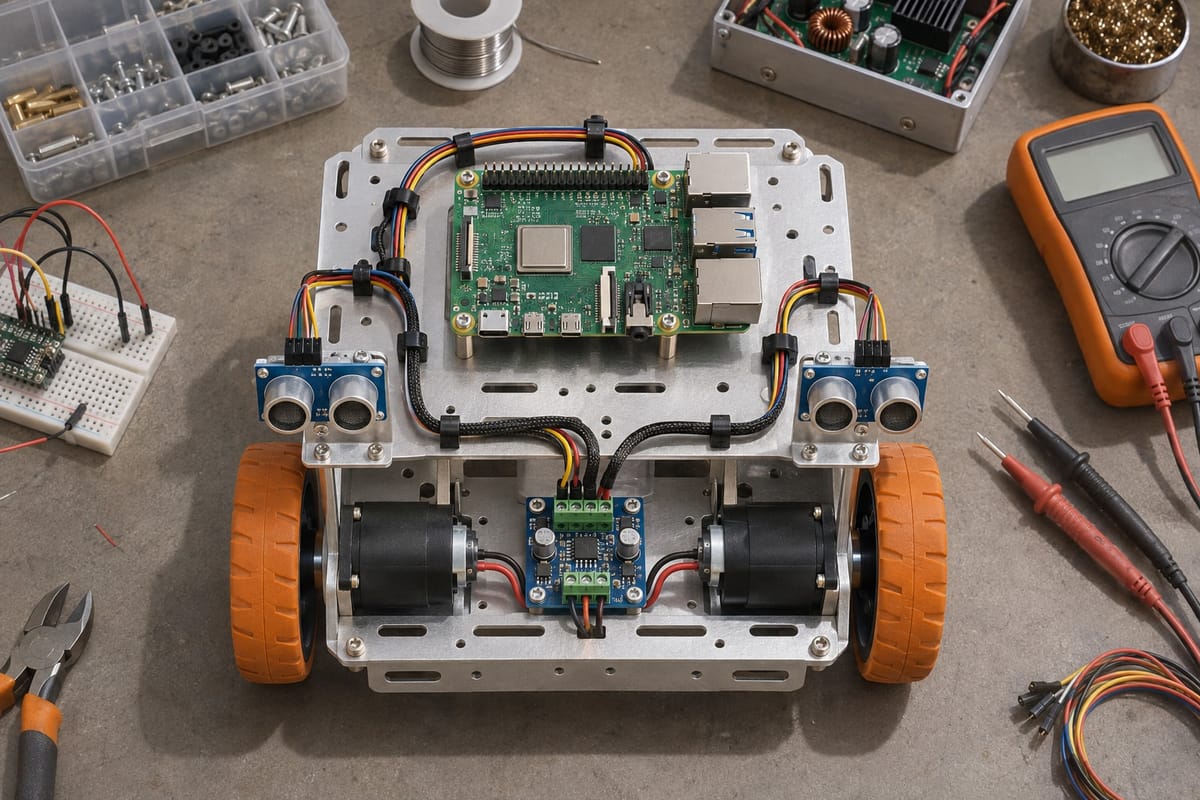
Raspberry Pi Robot Starter Kit
Complete kit with Raspberry Pi 4, dual motor driver, ultrasonic sensors, and aluminum chassis. Everything you need to build and program your first autonomous robot.
Read more